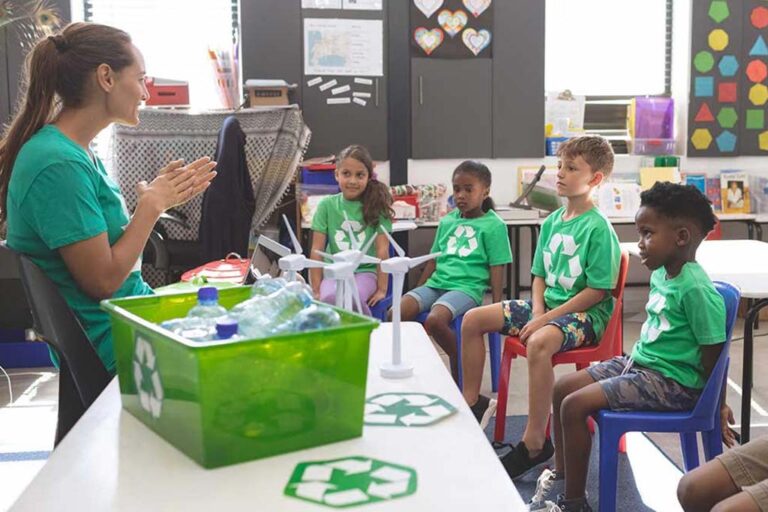
Living a zero-waste lifestyle on a budget is possible and fulfilling. By being careful about your choices and developing eco-friendly habits, you can reduce waste while also saving money.
Here’s how to get started:
1. Assess Your Waste
Begin by evaluating the waste you produce. Keep track of items you discard over a week to identify areas for improvement. This awareness helps pinpoint changing habits and products to replace with reusable alternatives.
2. Embrace Reusables
Buying items that you can use over and over again can help you save money in the long run.
- Water Bottles and Coffee Cups: Switching to a reusable water bottle and coffee cup eliminates the need for single-use plastics, saving money and reducing waste.
- Shopping Bags: To avoid plastic bags, use cloth bags for groceries. Numerous stores provide discounts if you bring your own bags.
- Cloth Napkins and Towels: Replace paper towels with cloth alternatives. Old towels can be repurposed into cleaning rags, reducing the need to buy disposable products.
3. Shop Secondhand
Consider checking out secondhand options before buying new things.
- Clothing: Thrift stores offer affordable, high-quality clothing. Buying used garments reduces demand for new production and minimizes textile waste.
- Furniture and Household Items: Platforms like local classifieds or online marketplaces provide gently used items at a fraction of the cost.
Also read How to Stay Energized During the Workday: Tips for Busy Professionals
4. Plan and Prepare Meals
Meal planning is crucial for minimizing food waste and saving money:
- Buy in Bulk: Buy your everyday food items like rice and beans in larger containers. This way, you can cut down on using a lot of packaging, and it usually saves you money in the long run.
- Cook at Home: Preparing meals at home allows you to control portions and ingredients, reducing the likelihood of food waste.
- Compost: Set up a simple compost system for food scraps, creating nutrient-rich soil for gardening.
5. DIY Household Products
Creating your own cleaning and personal care products is cost-effective and eco-friendly:
- Cleaning Supplies: Transform your cleaning routine with the power of nature! Simple ingredients like vinegar and baking soda can work wonders as effective cleaners, helping you cut back on those chemical-heavy store-bought products. Say goodbye to harsh chemicals and hello to a fresh, eco-friendly sparkle in your home!
- Personal Care: Make your toothpaste or deodorant using natural ingredients and store it in reusable containers.
6. Reduce Energy Consumption
Lowering energy use decreases utility bills and environmental impact:
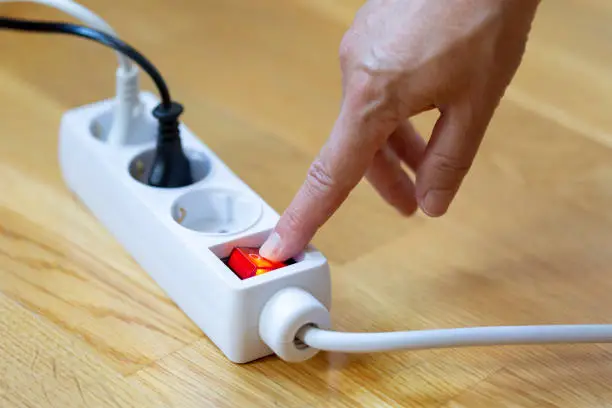
- Unplug Electronics: Disconnect devices when not in use to prevent phantom energy drain.
- Use Energy-Efficient Bulbs: Replace incandescent bulbs with LED alternatives to reduce electricity costs.
7. Practice Mindful Consumption
Adopt a minimalist approach to reduce unnecessary purchases:
- Evaluate Needs vs. Wants: Before buying an item, consider whether it is essential. This practice curbs impulse spending and reduces waste.
- Repair and Mend: Fix broken items instead of replacing them. Learning basic repair skills can extend the life of your belongings.
Implementing these strategies fosters a zero-waste lifestyle that aligns with budget-conscious living. By making deliberate choices and embracing sustainability, you contribute to environmental preservation while enjoying financial savings.