Bali remains a top choice in the fiercely competitive global tourism industry, especially for those seeking wellness. The island’s captivating mix of cultural heritage and stunning natural landscapes has consistently drawn in visitors from across the globe, with a special allure toward its luxurious spas and resorts. However, the potential for the wellness tourism sector to reach new heights hinges on integrating traditional herbal products into every Spa and resort in Bali.
The call for robust regulations governing the use of herbal products within the tourism industry is gaining momentum. As Bali’s wellness sector, mainly its spa services, evolves, ensuring herbal products’ safety, authenticity, and effectiveness becomes paramount. By aligning with global standards, every resort in Bali can solidify its reputation as a top-tier wellness destination, attracting tourists who prioritize holistic and natural health remedies.
Enhancing Wellness Tourism with Herbal Products
In the heart of Bali’s wellness tourism lies the island’s spa culture, where visitors seek relaxation, rejuvenation, and a deep connection to the island’s spiritual roots. Using herbal products derived from Bali’s abundant natural resources has become a cornerstone of these spa experiences. However, without proper regulation, the quality and safety of these products can vary significantly, potentially undermining the trust of visitors who seek genuine and effective treatments.
To address this concern, members of Indonesia’s Regional Representative Council (DPD) have urged the government to establish clear and comprehensive regulations for using herbal products in the tourism sector. Such regulations would ensure the quality and safety of the products used in spas and resorts across Bali. They would also provide a framework for the standardization of practices, ensuring that every resort in Bali offers a consistent and high-quality wellness experience.
By implementing these regulations, Bali can position itself as a leader in wellness tourism. Every resort in Bali adheres to strict standards for the use of herbal products. This commitment to quality will resonate with tourists increasingly seeking authentic, safe, and effective wellness experiences.
Read Also, Finding the Best Resort in Bali for Your Sports Family.
Supporting Bali’s Traditional Herbal Industry
The push for regulation also protects and promotes Bali’s traditional herbal industry. Many herbal products used in Bali’s spas are rooted in ancient Balinese practices, passed down through generations. These products, often made from locally sourced ingredients such as turmeric, ginger, and various medicinal plants, are beneficial for health and represent an integral part of Bali’s cultural heritage.
However, the influx of mass-produced, commercial herbal products has threatened the survival of traditional Balinese herbal practices. Without regulation, these authentic products could be overshadowed by inferior alternatives, damaging the reputation of Bali’s wellness industry.
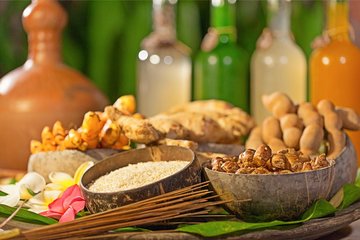
The proposed regulations would require that all herbal products used in spas and resorts in Bali meet specific standards of quality and authenticity. This would include proper labeling, certification of ingredients, and adherence to traditional preparation methods. By doing so, the government would safeguard the health of tourists and support local farmers and producers who rely on the herbal industry for their livelihoods.
Moreover, these regulations could open up new opportunities for local entrepreneurs to innovate and expand their businesses, knowing that their products meet the high standards required by Bali’s wellness tourism sector. As a result, Bali’s traditional herbal industry could thrive, ensuring that the island’s cultural heritage is preserved and promoted globally.
A Sustainable Future for Bali’s Wellness Tourism
The integration of herbal product regulations into Bali’s wellness tourism framework is not just about enhancing the visitor experience—it’s about ensuring the sustainability of the island’s tourism industry. As the global wellness tourism market grows, visitors are becoming more discerning in their choices, seeking destinations that offer genuine, high-quality, and safe experiences.
By implementing strict regulations on the use of herbal products, Bali can distinguish itself as a destination that values both the health of its visitors and the preservation of its cultural heritage. Every resort in Bali can contribute to this vision by embracing these standards, offering spa services that are relaxing and rooted in the island’s rich traditions.