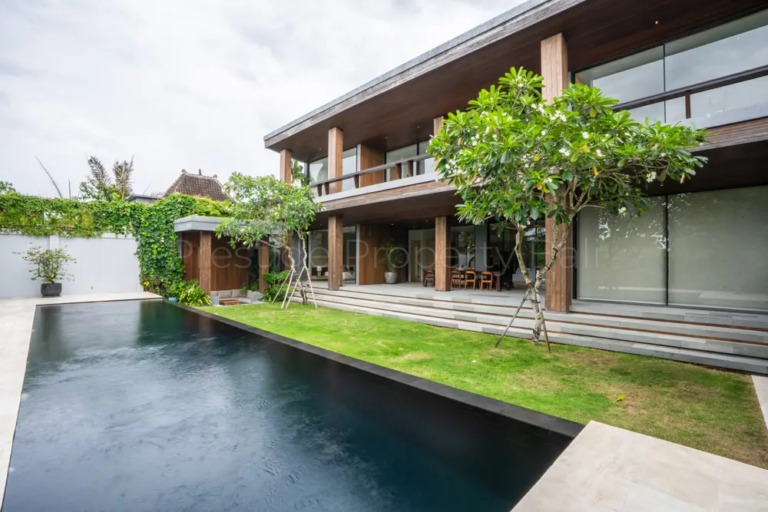
Bali is a magnet for international travelers, digital nomads, and property investors who dream of owning a piece of paradise. While foreigners can’t own land outright, many turn to long-term lease agreements as a legal and accessible alternative. If you’re actively exploring opportunities, you can browse a curated selection of leasehold villa properties in Bali to see what’s currently available on the market. However, before making a decision, it’s crucial to understand how leasehold terms work, especially how long you can lease a villa and whether that lease can be extended.
What Is a Leasehold Property in Bali
In Indonesia, land laws prevent foreigners from owning freehold property directly. As a result, many opt for leasehold agreements, which allow them to lease land and buildings for a fixed period. Leasehold properties provide legal usage rights for an agreed-upon number of years, with full access to the property for personal or investment purposes.
For foreign investors or expats, leasehold villas in Bali are often the most viable and legal way to invest in property. These agreements are typically established through a legal contract between the lessee and the landowner, and are certified by a licensed notary (PPAT). Trusted agencies such as Kibarer Property often help facilitate these agreements for overseas buyers with legal clarity and local expertise.
Read also: 10 Affordable Bali Villas for Rent Under $100 Per Night
Standard Leasehold Duration in Bali
The standard lease duration for villa properties in Bali typically ranges between 20 and 30 years, depending on the agreement and the location. Leasehold periods are agreed upon at the time of purchase and written into the contract.
Here are the most common terms:
- 20 years: A basic lease term, often offered by local landowners or in lower-demand areas.
- 25 years: A balanced option, offering enough time for personal use or rental returns.
- 30 years: Preferred by foreign investors seeking longer control and better resale potential.
While some properties are marketed with longer leases (e.g., 50 or 70 years), these are often structured as initial terms with pre-agreed extension options rather than a single uninterrupted lease.
Read also: Beachfront Bali Villas for Rent with Ocean Views
Can a Lease Be Extended in Bali
Yes, in most cases, leasehold agreements in Bali can be extended, but the ability to do so depends on the specific contract terms and the willingness of the landowner. Extensions are not guaranteed by default, which is why it’s essential to include extension clauses in your original agreement.
Typically, a lease might come with an option to extend for 20 or 25 years. These options should be clearly outlined in writing to avoid ambiguity or legal issues later. Without these terms secured upfront, you may find yourself negotiating with a new landowner or dealing with market-driven prices at the end of the lease term.
How Lease Extension Agreements Work
To extend a lease, both parties, the leaseholder and the landowner, must agree to new terms, which are then legally formalized through a notarial deed. The process involves a legal review, renegotiation of terms, and often a valuation based on current market rates.
Key points in the process:
- A licensed PPAT notary drafts the new lease agreement or extension deed.
- The extension fee is usually calculated based on current land value or market price.
- A written agreement ensures legal continuity and protects both parties.
While some lease agreements set a fixed extension price from the start, others only state that the price will be determined at the time of renewal. If you’re working with professional agencies like Kibarer Property, they can help negotiate extension terms to be included during the initial purchase to reduce future risk.
Read also: 10 Stunning Nature-Inspired Graphic Design from Bali Tropical Paradise
Factors That Affect Lease Extension Terms
Several variables can influence the ease and cost of extending your lease:
- Landowner willingness: If the land changes hands or if the landowner’s heirs are involved, negotiations may be more difficult.
- Location demand: In high-demand areas like Seminyak, Canggu, or Uluwatu, landowners may request higher fees due to market growth.
- Clarity of the original contract: Contracts lacking specific extension clauses can lead to disputes or unfavorable terms.
- Changes in zoning or land regulations: Future changes in local policies may also impact extension viability.
Because of these factors, it’s wise to secure the right to extend in the initial lease deed and ensure the terms are clearly documented.
Risks if You Don’t Secure Extension Terms Upfront
Not securing an extension clause can lead to serious consequences for leaseholders. If your lease expires without renewal, you may lose:
- Your right to occupy or use the property.
- The ability to resell the lease, as its value diminishes near expiration.
- Any investment made in property renovations or development.
In some cases, leaseholders find themselves negotiating with the landowner’s heirs who may be unwilling to honor previous agreements. To protect your investment, always include legally binding clauses about future extensions.
How to Protect Yourself When Buying Leasehold Villas
Protecting your investment starts with due diligence. Follow these steps to reduce risk and secure peace of mind:
- Include extension clauses with clearly defined timelines and pricing mechanisms.
- Work with a licensed PPAT notary to review and certify all legal documents.
- Clarify whether renewal fees are based on fixed amounts or market value.
- Confirm that the landowner has the legal right to lease the property.
- Partner with reputable real estate agents who specialize in foreign buyer transactions.
Proper planning can mean the difference between a profitable investment and a costly legal battle.
Common Myths About Leasehold Villas in Bali
Let’s clear up some common misconceptions that may be holding you back:
- Myth: Leasehold villas can’t generate income
→ Reality: Leasehold villas can be rented out, offering solid ROI, especially in tourist-heavy areas. - Myth: Leasehold villas can’t be extended
→ Reality: Most can be extended if terms are agreed in writing. Some contracts even include multiple extensions. - Myth: Leasehold is always a bad deal
→ Reality: Leasehold properties are often more affordable, come with fewer legal hurdles for foreigners, and are easier to manage with the right advisors.
Final Thoughts
In Bali, leasehold villas offer a legitimate and often lucrative pathway for foreigners to invest in property. Most leases range from 20 to 30 years, and extensions are possible if structured correctly from the beginning. However, the key to long-term success is legal clarity and negotiation.
Whether you’re buying your dream holiday home or a villa for rental income, make sure you fully understand your rights and obligations under a leasehold agreement. With the right support, like experienced property firms and legal professionals, you can invest in Bali with confidence and security.
FAQ
Q: Can a lease be extended after it expires?
A: Yes, but only with landowner approval. It’s always better to negotiate extension rights before the lease ends.
Q: What’s the maximum lease term allowed by Indonesian law?
A: Typically, leases are granted for 25 to 30 years and can be extended multiple times, often up to 70-80 years in total.
Q: Do leasehold villas have resale value?
A: Yes. Villas with long remaining lease terms and clear extension options can still command strong resale prices, especially in high-demand areas.