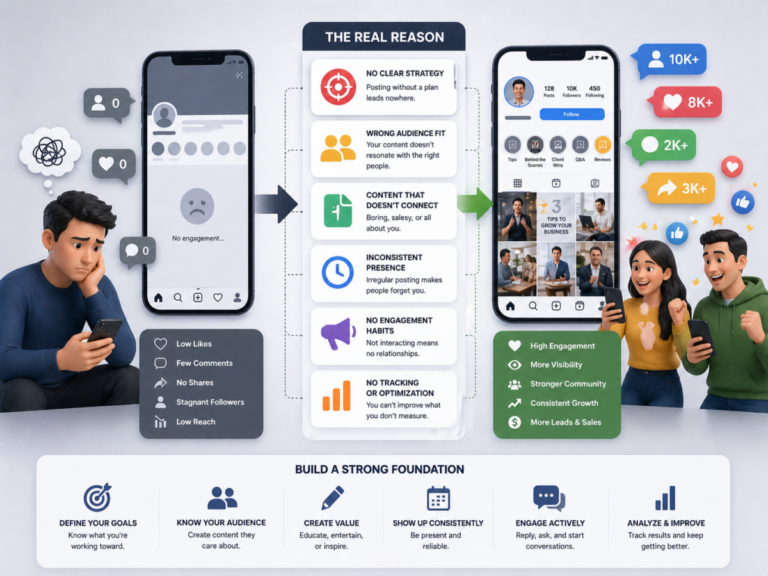
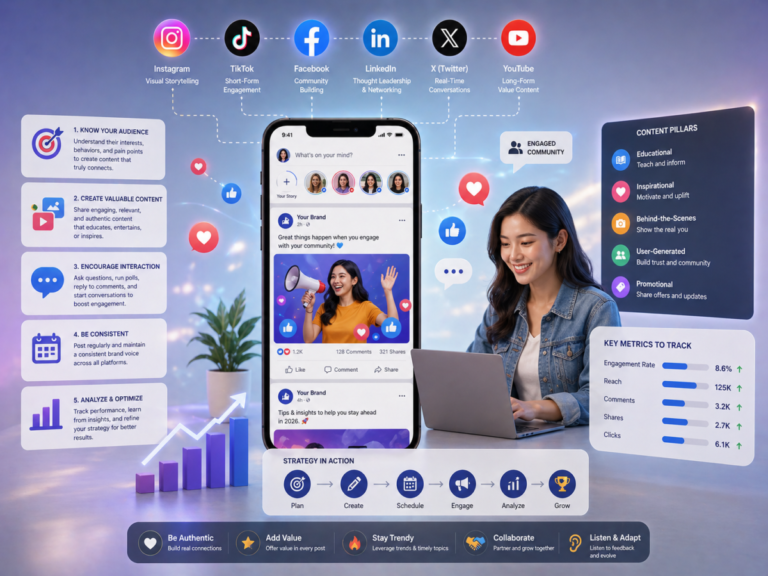
Many businesses spend significant resources on marketing campaigns without fully understanding the people they are trying to reach. They focus on generating traffic, increasing visibility, and launching new initiatives, yet often struggle to achieve consistent results.
One of the biggest reasons for this challenge is a lack of understanding of customer behavior.
Successful marketing is not simply about promoting products or services. It is about understanding how people think, what influences their decisions, and why they choose one business over another. Companies that understand customer behavior are often able to create more effective campaigns, improve customer experiences, and achieve stronger long term growth.
For businesses looking to better understand how customers interact with brands throughout the buying process, consider reading Why Customer Journey Mapping Improves Marketing.
What Is Customer Behavior Analysis?
Customer behavior analysis is the process of studying how consumers interact with businesses before making purchasing decisions.
This includes understanding:
- What motivates customers
- How they search for information
- Which factors influence decisions
- What barriers prevent conversions
- How they engage with marketing content
Customer behavior analysis helps businesses move beyond assumptions and base marketing decisions on real insights.
Rather than guessing what customers want, organizations can use data and observation to better understand their audience.
This often leads to more effective marketing strategies and improved business outcomes.
Why Understanding Customer Behavior Matters
Marketing becomes significantly more effective when businesses understand the people they serve.
Customers are constantly evaluating options, comparing alternatives, and seeking solutions to specific problems.
When businesses understand these motivations, they can create messaging that resonates more effectively.
Benefits of understanding customer behavior include:
- Better audience targeting
- Improved content relevance
- Higher conversion rates
- More effective advertising
- Stronger customer relationships
Businesses that fail to understand customer behavior often struggle to connect with their audience despite investing heavily in marketing activities.
The Psychology Behind Buying Decisions
Purchasing decisions are influenced by both logical and emotional factors.
While customers may justify decisions using facts and information, emotions often play a significant role in the decision making process.
Factors that commonly influence buying behavior include:
- Trust
- Convenience
- Perceived value
- Social proof
- Risk reduction
- Brand reputation
For example, two businesses may offer similar services at similar prices. However, customers often choose the company they perceive as more trustworthy or credible.
Understanding these psychological drivers allows marketers to create more persuasive experiences.
The Role of Customer Needs
At the center of every purchasing decision is a need.
Customers seek products and services because they believe those solutions will help them achieve specific goals or solve particular problems.
Effective marketing begins by identifying those needs.
Businesses should ask questions such as:
- What challenges are customers facing?
- What outcomes are they seeking?
- What concerns influence their decisions?
- What information helps them feel confident?
The more accurately businesses understand customer needs, the easier it becomes to create valuable content and compelling offers.
How Digital Channels Influence Behavior
Digital technology has transformed how customers research and evaluate businesses.
Before making decisions, consumers often:
- Search online
- Read reviews
- Visit websites
- Watch videos
- Compare competitors
- Explore social media content
This behavior creates numerous opportunities for businesses to influence decision making.
However, it also means customers have greater access to information than ever before.
Businesses must therefore focus on providing useful, relevant, and trustworthy experiences throughout the buying process.
Why Customer Intent Matters
Not all customers have the same intent.
Some individuals are simply gathering information, while others are actively searching for solutions and preparing to make purchasing decisions.
Understanding intent helps businesses create more relevant marketing experiences.
Customer intent often falls into three broad categories:
Informational Intent
Customers seek knowledge and education.
Examples include:
- Reading blog articles
- Researching topics
- Learning about solutions
Comparative Intent
Customers evaluate different options.
Examples include:
- Comparing providers
- Reading reviews
- Reviewing case studies
Transactional Intent
Customers are ready to take action.
Examples include:
- Requesting consultations
- Contacting businesses
- Making purchases
Marketing strategies should align with the specific intent of the audience being targeted.
Data Provides Valuable Insights
Modern businesses have access to significant amounts of customer data.
Analytics platforms can reveal:
- Traffic sources
- User behavior
- Content engagement
- Conversion pathways
- Purchase patterns
These insights help businesses understand how customers interact with digital channels.
Rather than relying on assumptions, marketers can use real behavioral data to improve decision making.
Organizations that consistently analyze customer behavior often identify opportunities that competitors overlook.
The Importance of Customer Experience
Customer behavior is heavily influenced by experience.
A positive experience encourages trust and engagement, while a poor experience can drive customers away.
Important customer experience factors include:
- Website usability
- Page speed
- Navigation
- Communication quality
- Customer support
- Mobile accessibility
Every interaction contributes to how customers perceive a business.
Companies that prioritize customer experience often benefit from stronger loyalty and higher retention rates.
Behavioral Segmentation Improves Relevance
Not all customers behave the same way.
Behavioral segmentation allows businesses to group customers based on actions and preferences.
Examples include:
- Frequent visitors
- New users
- Returning customers
- High value buyers
- Content engaged audiences
Segmentation helps businesses deliver more relevant messages to different groups.
This personalization often improves engagement and conversion performance.
The more relevant marketing becomes, the more effective it tends to be.
Why Testing Is Essential
Customer behavior evolves over time.
Market conditions change, technology advances, and consumer preferences shift.
This is why testing should be an ongoing part of every marketing strategy.
Businesses can test:
- Headlines
- Calls to action
- Landing pages
- Advertising creatives
- Email campaigns
Testing provides valuable feedback about how customers respond to different approaches.
Small improvements can produce significant gains when applied consistently.
Building Long Term Relationships
Customer behavior analysis is not only about acquiring new customers.
It also helps businesses strengthen relationships with existing customers.
Retention is often more cost effective than acquisition.
Businesses that understand customer preferences can create experiences that encourage loyalty and repeat purchases.
Long term relationships often lead to:
- Increased customer lifetime value
- Stronger referrals
- Higher satisfaction
- Better brand advocacy
Understanding behavior helps businesses support these outcomes more effectively.
Conclusion
Customer behavior analysis is one of the most valuable tools available to modern marketers. By understanding how people think, evaluate options, and make decisions, businesses can create more effective marketing strategies and improve overall performance.
Successful marketing is rarely about reaching the largest audience. Instead, it is about understanding the right audience and delivering experiences that meet their needs.
Businesses that invest in customer behavior analysis gain deeper insights into their customers, improve decision making, and build stronger foundations for long term growth. As digital competition continues to increase, understanding customer behavior will remain a critical advantage for organizations seeking sustainable success.