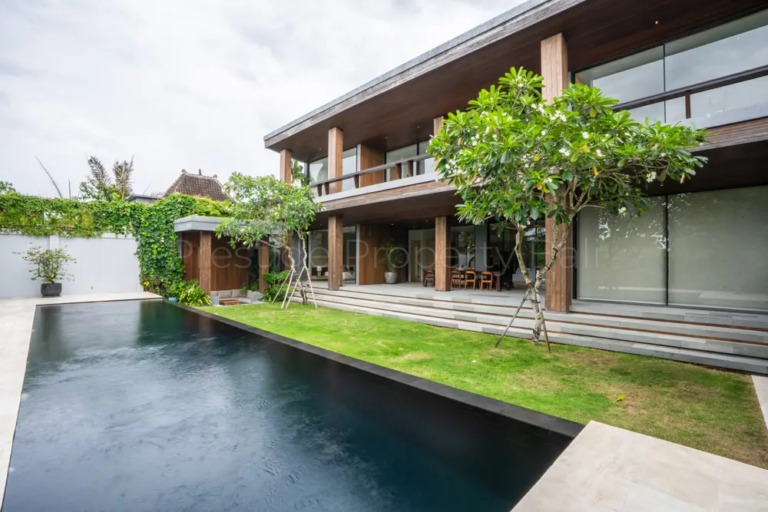
Ubud, Bali’s cultural heart, has long been a magnet for travelers seeking serenity, lush landscapes, and luxurious accommodations, such as a villa for rent in Ubud, Bali. However, a recent incident involving the sealing of 20 luxury villas owned by a Russian expatriate has shed light on the regulatory challenges facing foreign-owned properties in this tropical paradise. This case not only underscores the allure of Ubud’s villa market but also highlights the complexities of navigating Indonesia’s property and business laws. Explore the rise of luxury villas in Ubud, the legal pitfalls that led to the sealing of these properties, and practical tips for travelers to ensure they book legally compliant accommodations.
The Boom of Luxury Villas in Ubud
Ubud’s villa market has seen explosive growth over the past decade. Driven by its unique blend of cultural heritage, natural beauty, and spiritual ambiance. Unlike Bali’s beachside hotspots like Kuta or Seminyak, Ubud offers a tranquil escape with rice terraces, yoga retreats, and art galleries. This has made it a prime destination for high-end travelers seeking privacy and exclusivity, fueling demand for luxury villas. These properties, often equipped with private pools, lush gardens, and bespoke services. Cater to tourists willing to pay a premium for an authentic yet upscale Balinese experience.
The appeal of a villa for rent in Ubud, Bali, lies in its ability to offer a home-away-from-home experience. Unlike hotels, villas provide spacious living areas, personalized amenities, and a sense of seclusion. Making them ideal for families, couples, or groups. For investors, both local and foreign, this demand has translated into lucrative opportunities. Foreign investors, in particular, have poured capital into Ubud’s villa market, drawn by high rental yields and Bali’s global tourism appeal. However, as the recent sealing of 20 villas demonstrates. Financial success is only part of the equation—legal compliance is equally critical.
Also read Bali Property for Sale? Here’s How to Furnish It with the Best Indonesian Furniture
The Case of the Russian Expatriate’s Villas
In early 2025, headlines broke about 20 luxury villas in Ubud, owned by a Russian expatriate, being sealed by local authorities. These properties, marketed as high-end rentals, were found to be operating without the necessary permits and licenses. Violating Indonesia’s strict regulations on foreign-owned businesses and properties. The incident sent shockwaves through Bali’s hospitality industry, raising questions about oversight and the risks of unchecked foreign investment.
The sealing of these villas wasn’t an isolated event but a reflection of broader regulatory challenges in Bali. Indonesia’s property laws restrict foreigners from directly owning land, requiring them to partner with local nominees or establish a PMA (Foreign Investment Company) to operate legally. Additionally, businesses such as villa rentals must obtain specific permits. Including tourism and operational licenses, which are subject to regular inspections. The Russian expatriate’s failure to comply with these requirements led to the abrupt closure of the villas, leaving guests stranded and investors facing significant losses.
This case highlights a common issue in Bali: the gap between market opportunities and regulatory enforcement. While Ubud’s villa market is lucrative, navigating Indonesia’s legal landscape can be daunting, especially for foreigners unfamiliar with local bureaucracy. The incident also underscores the importance of due diligence for both property owners and travelers seeking a villa for rent in Ubud, Bali.
Regulatory Challenges for Foreign-Owned Villas
Indonesia’s property and business regulations are designed to protect local interests while allowing controlled foreign investment. For villa rentals, this means complying with several layers of requirements:
- Land Ownership: Foreigners are not permitted to own land outright in Indonesia. They must use structures like a Hak Pakai (Right to Use) or partner with a local nominee, which introduces legal risks if agreements are not adequately documented.
- Business Licenses: Operating a villa for rent requires a tourism business license (TDUP) and compliance with local zoning laws. Many foreign investors overlook these, assuming short-term rentals fall under a gray area.
- Tax Compliance: Villa owners are required to register with the tax authorities and pay applicable taxes, including income tax on rental earnings and local tourism taxes.
- Building Permits: All properties must have an IMB (Building Permit) that aligns with their intended use, such as commercial rental.
Failure to meet these requirements can result in fines, property seizure, or even deportation for foreign owners. The Russian expatriate’s case serves as a cautionary tale for investors who prioritize profit over compliance, underscoring the importance of thorough legal guidance.
Tips for Travelers Booking Villas in Ubud
For tourists, the allure of renting a villa in Ubud, Bali, remains a strong draw. Still, the recent villa sealing incident highlights the importance of booking wisely. Here are practical tips to ensure you choose a legally compliant villa:
- Verify Licenses: Check if the villa has a valid tourism license (TDUP). Reputable booking platforms, such as Airbnb or Booking.com, often require hosts to provide this information.
- Use Trusted Platforms: Book through established platforms that vet properties and offer guest protections. Avoid direct bookings unless you can confirm the villa’s legitimacy.
- Read Reviews: Guest reviews can reveal red flags, such as inconsistent services or disputes with local authorities.
- Ask for Documentation: Request proof of the villa’s IMB or operational permits, especially for high-end properties marketed as luxury rentals.
- Work with Local Agents: Local real estate or travel agents can help verify a villa’s compliance and provide insights into reputable properties.
By taking these steps, travelers can enjoy Ubud’s luxury villas with peace of mind, knowing their stay supports legal and sustainable tourism.
The Future of Ubud’s Villa Market
The sealing of the Russian expatriates’ villas is a wake-up call for Bali’s hospitality industry. While Ubud remains a top destination for luxury travelers. Incidents like this could prompt stricter enforcement of regulations, impacting both investors and tourists. For the villa market to thrive sustainably, stakeholders must prioritize transparency, compliance, and collaboration with local authorities.
For investors, this means conducting thorough due diligence, working with reputable legal advisors, and respecting Indonesia’s regulatory framework. For travelers, it’s about making informed choices to support ethical tourism. Ubud’s charm lies in its ability to blend tradition with modernity, and its villa market can continue to flourish if built on a foundation of trust and legality.
The rise and fall of luxury villas in Ubud, exemplified by the sealing of 20 foreign-owned properties. Reflects the delicate balance between opportunity and regulation in Bali’s tourism industry. While the demand for villas for rent in Ubud, Bali, continues to grow. This case highlights the importance of legal compliance for investors and due diligence for travelers. By understanding the regulatory landscape and making informed choices, both stakeholders can contribute to a sustainable and vibrant villa market in Ubud. Ensuring this cultural haven remains a dream destination for years to come.