Parenting in 2025 will present new challenges but also exciting chances to raise environmentally aware kids. As worries about the environment increase, many parents are adopting a zero-waste parenting, which focuses on reducing waste and having a smaller negative effect on our planet. This approach encourages families to be more mindful of their consumption and to teach children the importance of caring for the Earth. From eco-friendly diapers to sustainable school lunches, here’s how to raise your kids with minimal waste—without sacrificing convenience or comfort.
1. Sustainable Diapering Solutions
Disposable diapers contribute millions of tons of landfill waste each year and take 500+ years to decompose. Switching to zero-waste diapering can significantly reduce your environmental footprint.
Eco-Friendly Alternatives:
- Cloth Diapers: Modern cloth diapers are easy to use, washable, and cost-effective in the long run. Brands like BumGenius, GroVia, and Esembly offer stylish and practical options.
- Biodegradable Diapers: If cloth diapers aren’t feasible, opt for compostable or biodegradable brands like Dyper or Eco Pea, which break down faster than traditional disposables.
- Elimination Communication (EC): Some parents practice EC, a method of toilet training babies early, reducing diaper usage altogether.
Tip: Use reusable wipes instead of disposable ones to reduce unnecessary waste.
Also read How to Create a Zero-Waste Lifestyle on a Budget
2. Zero-Waste Toys & Playtime
Most children’s toys are made of plastic, often in landfills. Choosing sustainable toys ensures a healthier planet while encouraging creative play.
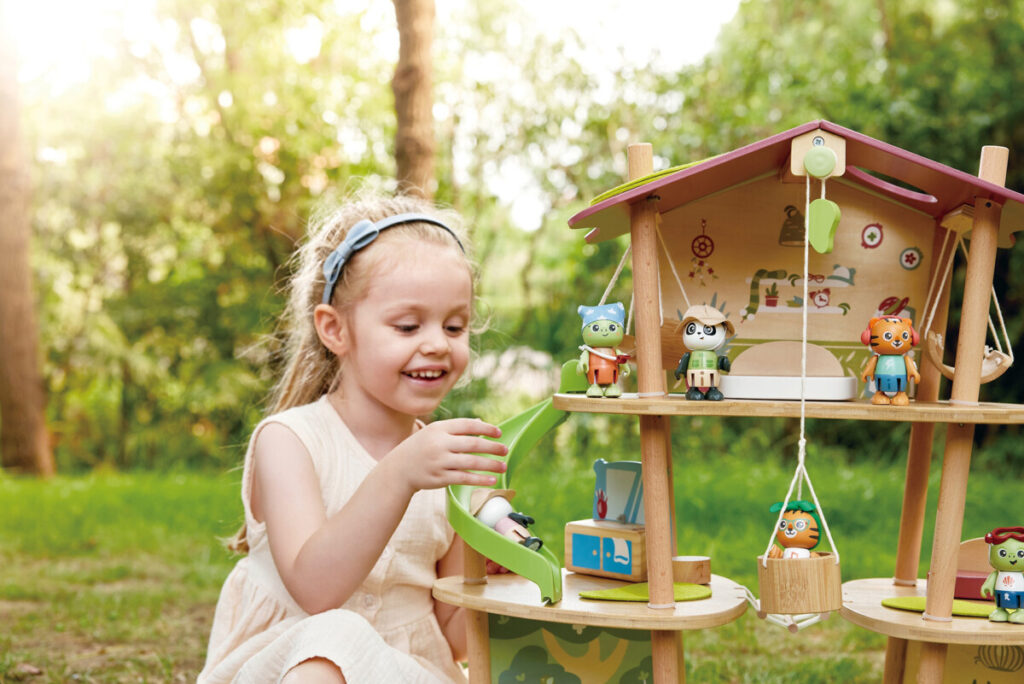
Eco-Friendly Toy Ideas:
- Wooden & Bamboo Toys: Durable and biodegradable, brands like PlanToys and Grimm’s make beautiful, non-toxic wooden toys.
- Recycled & Upcycled Toys: Look for brands using recycled materials, like Green Toys, which makes playsets from reclaimed plastic.
- Toy Swaps & Secondhand Shops: Join local toy swap groups or buy secondhand to extend a toy’s lifecycle.
Tip: Prioritize open-ended toys like building blocks, art supplies, or nature-based play items, which reduce waste and encourage imaginative play.
3. Sustainable & Waste-Free School Lunches
Packing a zero-waste lunch is an easy way to teach kids about sustainability while reducing plastic waste.
How to Pack a Waste-Free Lunch:
- Reusable Lunch Containers: Swap plastic bags for stainless steel bento boxes or silicone pouches.
- Cloth Napkins & Utensils: Replace disposable napkins and plastic forks with reusable cloth napkins and metal cutlery.
- Homemade Snacks: Ditch individually wrapped snacks and make granola bars, energy balls, or veggie chips.
- Refillable Water Bottles: Reduce plastic waste by using an insulated stainless steel bottle instead of juice boxes or plastic bottles.
Tip: Involve your kids in meal prep—it encourages them to appreciate homemade, waste-free food.
The Future of Zero-Waste Parenting
Raising a child with zero-waste principles isn’t about perfection—it’s about making small, sustainable choices that add up over time. Choosing eco-friendly diapers, mindful toy purchases, and waste-free school lunches sets the foundation for a greener, more sustainable future.