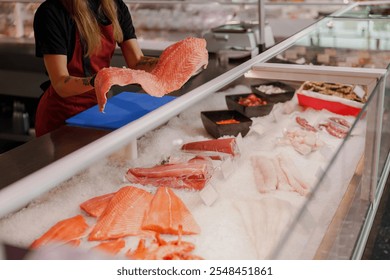
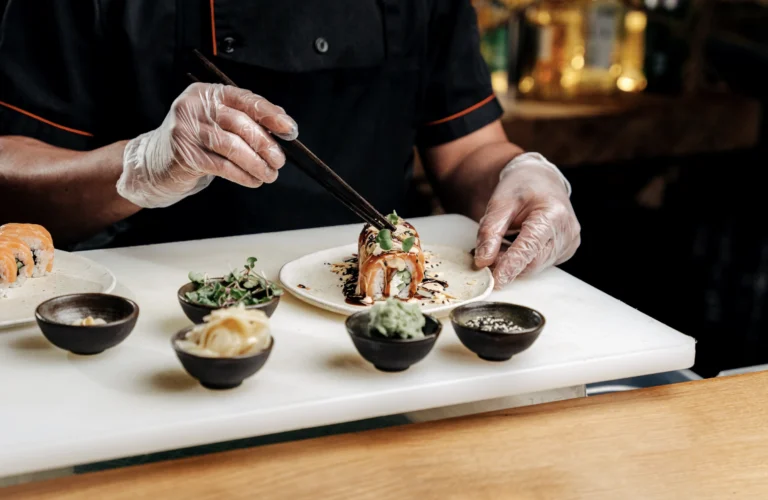
Businesses entering the global seafood industry often confuse the roles of a Seafood Supplier and a seafood distributor. While both are essential to the supply chain, understanding their differences helps importers, wholesalers, retailers, and foodservice companies make better purchasing decisions. Whether you are sourcing products for supermarkets, restaurants, or processing facilities, selecting the right business partner can improve product quality, pricing, logistics, and long-term supply stability.
A supplier is generally responsible for sourcing, processing, and preparing seafood for domestic or international buyers, while a distributor focuses on warehousing, inventory management, and delivering products to regional customers. Knowing where each company fits within the supply chain can reduce costs and streamline procurement.
Understanding the Role of a Seafood Supplier
A supplier is the first commercial link after harvesting or processing seafood. Suppliers work directly with fisheries, aquaculture farms, or seafood processing facilities to prepare products that meet export requirements.
A professional supplier typically manages:
- Product sourcing
- Processing and grading
- Quality inspection
- Food safety compliance
- Cold storage
- Export documentation
Many international buyers prefer working directly with a supplier because it provides greater transparency throughout the production process. This approach often results in better pricing, improved traceability, and more flexibility when requesting customized product specifications.
Companies that source directly from producing countries also benefit from fresher inventory and greater control over product consistency.
What Does a Seafood Distributor Do?
A distributor purchases seafood products from suppliers or exporters and sells them to regional markets. Rather than processing seafood, distributors specialize in logistics, warehousing, inventory management, and customer fulfillment.
Typical distributor responsibilities include:
- Maintaining local inventory
- Delivering products to retailers and restaurants
- Managing regional sales
- Providing smaller order quantities
- Offering local customer support
Distributors make seafood products more accessible to businesses that do not import directly. They reduce delivery times and simplify purchasing for local buyers who need frequent shipments.
Comparing Suppliers and Distributors
Although both businesses serve the seafood industry, their responsibilities differ significantly.
| Seafood Supplier | Seafood Distributor |
|---|---|
| Sources seafood directly | Purchases from suppliers |
| Handles processing | Focuses on logistics |
| Manages export documentation | Manages regional inventory |
| Supports international buyers | Serves local or regional customers |
| Offers customized export specifications | Provides ready-to-deliver stock |
Choosing between the two depends on your purchasing goals. Companies importing containers directly usually work with suppliers, while businesses requiring smaller quantities often purchase through distributors.
When Should You Work Directly with a Seafood Supplier?
Importers, wholesalers, and food manufacturers often benefit from working directly with a Seafood Supplier because it allows greater control over pricing, packaging, and product specifications.
Direct sourcing may be the better option when you need:
- Container-load shipments
- Private label packaging
- Product customization
- Consistent long-term supply
- Competitive factory pricing
Working directly with suppliers also provides better communication regarding harvesting seasons, production schedules, and export timelines.
When Is a Distributor the Better Choice?
Regional distributors remain an excellent option for businesses that prioritize convenience over direct importing.
Restaurants, hotels, caterers, and independent grocery stores often choose distributors because they can purchase smaller quantities without managing international logistics.
Benefits include:
- Faster delivery
- Lower minimum order quantities
- Local customer service
- Simplified purchasing process
Although pricing may be higher than buying directly from suppliers, distributors reduce administrative complexity and inventory risks.
Understanding the Global Seafood Supply Chain
The international seafood industry involves multiple participants working together to deliver safe, high-quality products worldwide.
A typical supply chain includes:
Fisheries or aquaculture farms → processors → exporters → distributors → wholesalers → retailers → consumers.
Each participant adds value through processing, transportation, storage, or customer service.
For businesses importing seafood internationally, understanding each role helps improve purchasing decisions and reduce supply chain disruptions.
Choosing the Right Business Partner
Every buyer has different sourcing requirements. Large importers usually prioritize direct relationships with producers, while local businesses value the convenience offered by distributors.
When evaluating potential partners, consider:
- Product quality
- Food safety certifications
- Traceability
- Export experience
- Cold chain management
- Communication
- Production capacity
Strong partnerships are built on transparency, consistency, and reliable delivery performance.
Businesses looking for long-term sourcing success should evaluate suppliers beyond pricing alone. Product quality, compliance with international standards, and dependable logistics often create greater value over time.
Whether you purchase directly from a supplier or through a distributor, understanding the differences enables smarter procurement decisions and supports a more resilient seafood supply chain.