Halmahera dive sites are shaped by more than clear water and healthy reefs. Their appeal begins with geography: volcanic islands, steep coastal walls, narrow straits, deep channels, and current-fed coral systems that sit within one of the richest marine regions on Earth. For divers, this means Halmahera is not just another beautiful Indonesian destination. It is a place where landform and underwater biodiversity work together to create dramatic, varied, and highly memorable diving.
Located in North Maluku, Halmahera sits in a fascinating transition zone between major seas and island chains. Wallacea Dive Cruise describes the region as exceptionally varied, with critter dives around Ternate, fish-filled emerald waters near Tidore, pelagic walls in Bacan, drifting dives in the Patinti Strait, and coral gardens spread across the route. This variety is exactly what makes Halmahera such a strong topic for divers who care about the geography behind the experience, not only the list of dive sites.
Why does Halmahera’s volcanic geography matter for diving?
Volcanic islands often create powerful underwater landscapes. Around Halmahera, coastlines can drop quickly into deep water, forming walls, slopes, ridges, and current corridors. These structures give coral larvae places to settle, provide shelter for reef fish, and create natural pathways for pelagic species moving through deeper channels.
This is why Halmahera dive sites can feel so different from one area to another. A diver may encounter black-sand critter habitats near volcanic terrain, then move to vertical walls where schools of fish gather in the current. The region is not flat or predictable. Its underwater profile mirrors the drama of the islands above the surface.
For photographers, this geography is especially valuable. Macro divers can look for smaller life in sand, rubble, and reef edges, while wide-angle divers can focus on walls, fans, schooling fish, and blue-water backdrops. The land shapes the dive, and the dive reveals the land’s hidden extension below the sea.
How do currents shape Halmahera’s coral walls?
Currents are one of the main reasons Halmahera feels alive underwater. The movement of water brings nutrients, clears sediment, and supports the food chain that attracts reef fish, schooling species, and larger marine life. Wallacea’s own destination description highlights drifting dives in the Patinti Strait and pelagic walls in Bacan, showing how current-exposed areas are central to the region’s dive appeal.
This is also where Halmahera’s geography becomes important for dive planning. Narrow passages, island corners, and steep walls can intensify water movement. For experienced divers, these conditions often create the most exciting dives, but they also require good timing, local knowledge, and a liveaboard crew that understands how to read the sea.
A well-planned route allows divers to enjoy the best side of currents: active reefs, fish movement, strong visibility windows, and dramatic wall dives. Poor timing can make the same geography challenging. That is why Halmahera is best understood not only as a destination, but as a moving marine system.
What makes Halmahera different from more famous Indonesian dive regions?
Indonesia has many iconic dive destinations, but Halmahera stands apart because it still feels remote and exploratory. Many divers know Komodo for currents and Raja Ampat for biodiversity, while Halmahera combines elements of both with a quieter, less commercial atmosphere.
The region lies within the broader Coral Triangle, a marine area that covers only around 1.6% of the planet’s oceans but holds 76% of known coral species and 37% of known coral reef fish species. This broader biodiversity context helps explain why Halmahera can support such a mix of reef types, fish life, and underwater habitats.
For divers comparing destinations, Halmahera dive sites are appealing because they feel less standardised. The experience is not only about ticking off famous names. It is about following geography: islands, straits, walls, slopes, coral gardens, and volcanic terrain.
Why is Halmahera ideal for liveaboard diving?
Halmahera’s best diving is spread across remote islands, straits, and coastal systems, so a liveaboard is often the most practical way to experience the region properly. Instead of returning to the same land base each day, divers can move with the route and wake up near a new dive environment.
Wallacea notes that Halmahera diving can include Ternate, Tidore, Bacan, Patinti Strait, and coral garden areas within a liveaboard journey. This is exactly why Halmahera Diving works best as a route-based experience rather than a single-site trip. The geography is too spread out and too varied to understand from one location alone.
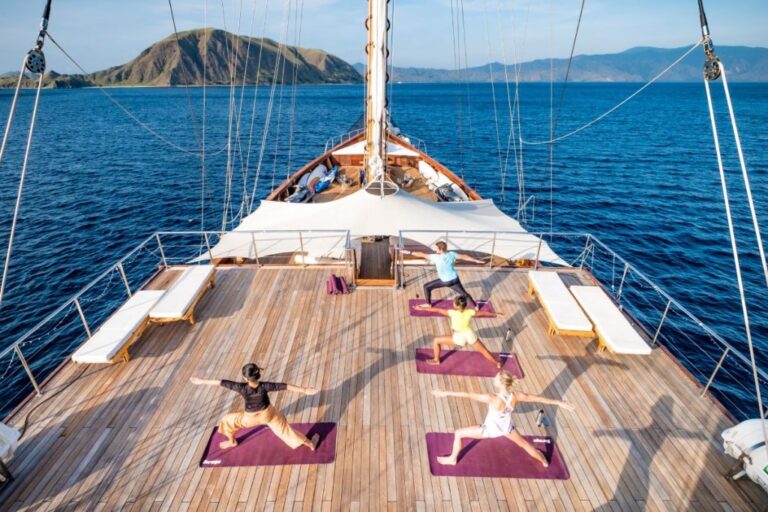
A liveaboard also gives divers access to more flexible timing. Current-dependent sites can be scheduled when conditions are better. Remote reefs can be reached without long daily transfers. Surface intervals become part of the journey, with volcanic silhouettes, empty islands, and open-water crossings adding to the sense of exploration.
What kinds of underwater habitats can divers expect?
One of Halmahera’s strongest advantages is habitat diversity. Liveaboard.com describes Halmahera diving as including muck, drift, wall, coral garden, and volcanic formation dives. For divers, this means the destination can satisfy different interests within one trip.
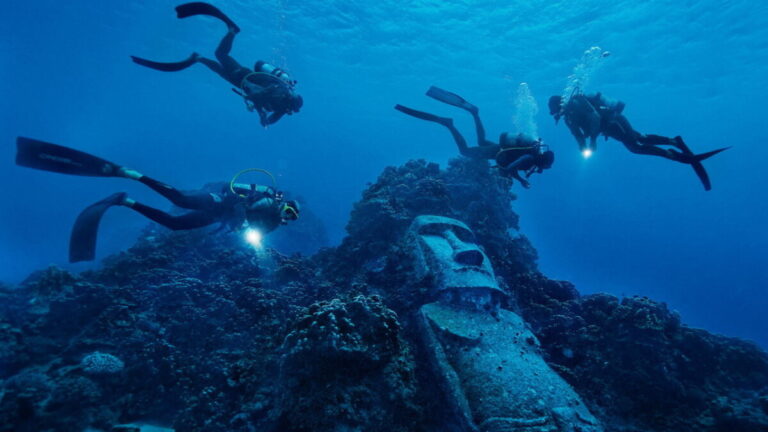
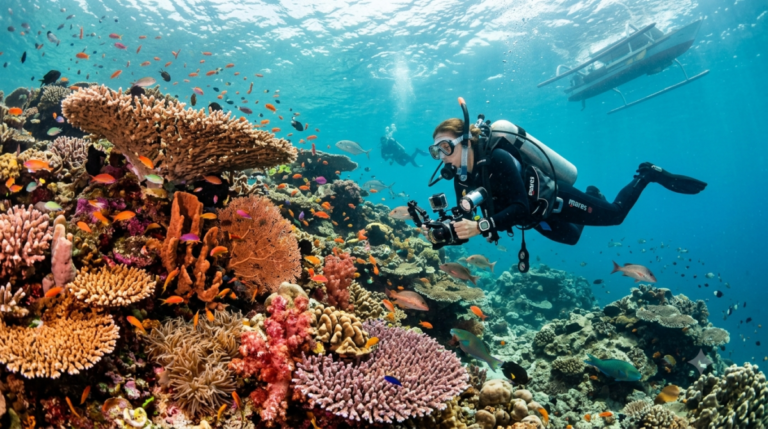
Wall dives offer scale and drama. Coral gardens provide colour, reef fish, and relaxed exploration. Drift sites bring movement and energy. Muck or critter areas reward slow observation and macro photography. Volcanic formations add texture and character, reminding divers that the underwater world is connected to the island’s geological story.
This variety gives Halmahera dive sites strong appeal for divers who do not want the same dive repeated every day. It also makes the region valuable for content, photography, and storytelling because each area can be described through a different geographic feature.
Is Halmahera only for advanced divers?
Halmahera is best suited to divers who are comfortable in open water and ready for changing conditions, especially where currents are involved. However, not every dive is extreme. The region includes coral gardens, macro areas, and calmer sites alongside walls and drift dives.
The key is choosing the right operator and itinerary. In geography-driven destinations, safety and enjoyment depend heavily on timing, site selection, and local experience. A good liveaboard team will adjust dives based on tides, current strength, visibility, and diver ability.
For experienced divers, this makes Halmahera deeply rewarding. It offers enough challenge to feel adventurous, but also enough variety to balance intense dives with slower, more observational ones.
Final thoughts
Halmahera’s dive appeal comes from the meeting of land and sea. Volcanic islands create slopes, walls, channels, and sheltered pockets. Currents move through those forms, feeding coral systems and drawing marine life. The result is a destination where geography is not background information; it is the reason the diving feels so alive.
For divers looking beyond the most familiar Indonesian routes, Halmahera dive sites offer something rare: a sense of discovery backed by real ecological and geological richness. This is a place for divers who want to understand why reefs grow where they do, why fish gather where currents meet walls, and why volcanic islands can become some of the most exciting underwater landscapes in Indonesia.