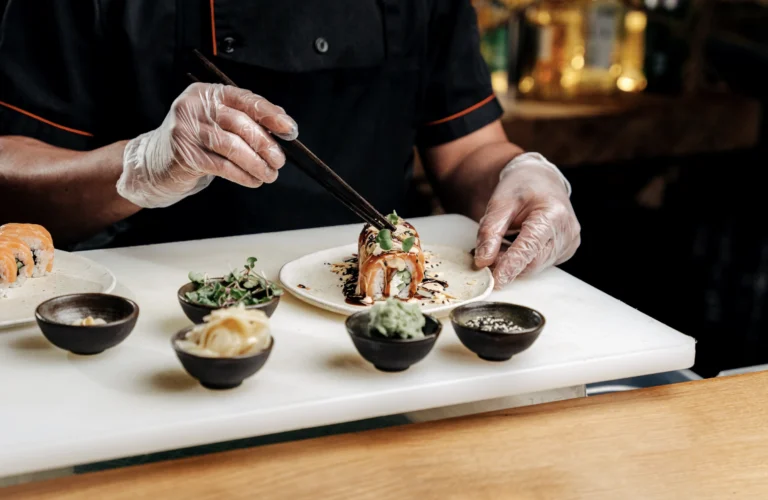
In today’s globalized kitchen, healthy culinary fusions have become more than just a trend. They are a more innovative, delicious way to eat well. By blending Mediterranean diets with Asian superfoods or Latin flavors with plant-based cooking, chefs and home cooks alike are creating meals that celebrate cultural diversity while boosting nutritional value.
The Power of the Mediterranean Base
The Mediterranean diet is one of the most extensively studied and highly regarded eating patterns in the world. Known for its focus on olive oil, fresh vegetables, whole grains, nuts, and lean proteins like fish, it promotes heart health and longevity. When combined with the vibrant influence of other global cuisines, healthy culinary fusions open the door to even greater variety and balance. Imagine pairing Mediterranean grilled fish with Japanese miso glaze, or quinoa tabbouleh enhanced with turmeric and ginger for anti-inflammatory benefits. These combinations elevate both flavor and nutrition.
Asian Superfoods in Global Recipes
Asia is home to some of the world’s most powerful superfoods, including green tea, matcha, ginger, garlic, seaweed, and fermented foods like kimchi and miso. Incorporating these into Western or Mediterranean recipes creates exciting, healthy culinary fusions. For example, swapping traditional pasta with soba noodles and topping them with Mediterranean vegetables and tahini sauce provides a blend of fibre, protein, and antioxidants. Or consider a simple Buddha bowl where roasted Mediterranean chickpeas are paired with Japanese seaweed salad, a harmony of protein, minerals, and umami flavor.
Latin Flavors Meet Plant-Based Cooking
Latin American cuisine is rich in beans, corn, avocado, and chilli peppers, all staples that fit beautifully into plant-based diets. Chefs are now fusing these ingredients with global health-conscious approaches. A vegan enchilada stuffed with Mediterranean lentils and spiced with cumin and oregano, or a quinoa salad brightened with lime, cilantro, and avocado, represents the best of healthy culinary fusions. Not only are these dishes satisfying, but they also provide a rich source of plant-based proteins, healthy fats, and complex carbohydrates that support long-term health.
Why Fusion Means Better Nutrition
The beauty of healthy culinary fusions lies in balance. By combining food traditions, you can take the strongest nutritional elements from each culture and create a well-rounded plate. Mediterranean cuisine offers heart-healthy fats and fibre-rich grains; Asian diets provide antioxidants and gut-friendly fermented foods. Latin culinary practices incorporate colourful vegetables, plant-based proteins, and zesty spices, reducing the need for excessive salt or sugar. Together, they form dishes that are flavorful, diverse, and nutritionally superior.
Practical Ways to Try Fusion at Home
You don’t need to be a professional chef to enjoy healthy culinary fusions. Here are a few ideas:
- Breakfast: Start your day with Mediterranean-style oats topped with Latin chia seeds and Asian matcha powder.
- Lunch: Enjoy a wrap with whole-grain pita, hummus, avocado, kimchi, and grilled vegetables.
- Dinner: Try baked salmon glazed with miso, served alongside quinoa salad with fresh herbs and citrus.
- Snacks: Roast chickpeas with chilli powder and sesame seeds for a crunchy, protein-packed bite.
A Future of Flavor and Wellness
As global cuisine becomes more accessible, the concept of healthy culinary fusions will continue to expand. Whether at a fine dining restaurant or in your home kitchen, blending Mediterranean diets with Asian superfoods or Latin plant-based traditions ensures meals are both exciting and nourishing. This cross-cultural approach to cooking celebrates diversity while promoting better health—one delicious plate at a time.