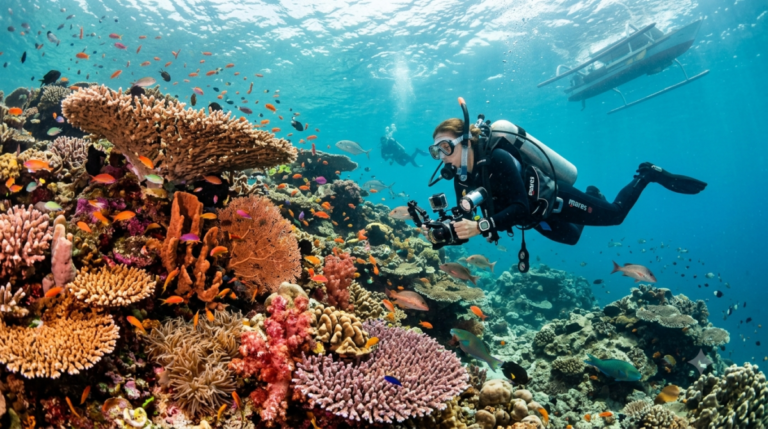
The diving liveaboard concept has transformed how enthusiasts explore the underwater world, offering extended access to remote dive sites that day trips can’t reach. Originating as a practical solution for passionate divers, the diving liveaboard industry has evolved into a blend of adventure and luxury, driven by technological advancements and shifting diver preferences.
Origins of Liveaboard Diving
The roots of liveaboard diving trace back to the mid-20th century, closely tied to the broader history of scuba diving. While humans have been free-diving for millennia, evidenced by ancient artifacts from Greece and Rome, the modern era began with the invention of the Aqua-Lung by Jacques Cousteau and Émile Gagnan in 1943, enabling longer underwater stays. However, it was in 1954 that Stan Waterman, a pioneering underwater photographer, converted a former lobster boat into one of the first dedicated liveaboards in the Bahamas for $45,000. This vessel, named Blue Star, allowed divers to live aboard while exploring reefs, marking the birth of organized liveaboard trips.
In the 1960s and 1970s, the industry gained momentum. Paul Humann, a naturalist, took over the M/V Cayman Diver in 1972, establishing a successful model in the Caribbean with comfortable accommodations and guided dives. These early vessels were often repurposed fishing or cargo boats, prioritizing functionality over luxury. Divers endured basic conditions, shared bunks, simple meals, and limited amenities, but the allure was access to untouched sites like the Great Barrier Reef or the Red Sea.
Also read The Ultimate Komodo Liveaboard Experience: What to Expect
Early Developments and Industry Growth
By the 1980s, liveaboard diving saw significant expansion. The Aggressor Fleet, founded in 1984, became a benchmark, offering safaris to over 30 destinations worldwide. This period introduced purpose-built vessels explicitly designed for divers, incorporating larger dive decks and better stability. Competition among operators pushed improvements in food quality, cabin comfort, and onboard entertainment, reflecting growing diver demands for value and experience.
Technology played a pivotal role in this evolution. The widespread adoption of nitrox in the 1990s extended bottom times and reduced fatigue, becoming a standard feature on many liveaboards. Camera charging stations and photo-viewing screens emerged as underwater photography surged in popularity, catering to divers who wanted to document marine life like sharks and colorful corals.
The Influence of Technology on Diving Liveaboards
Advancements in boat design and diving gear have profoundly shaped the diving liveaboard sector. Modern vessels incorporate stabilizers for smoother rides in rough seas, high-speed tenders for quick site access, and GPS rescue devices for enhanced safety. For instance, luxury catamarans like the Four Seasons Explorer in Palau feature marine rescue GPS on BCDs, signaling positions to rescue teams if needed.
Rebreather support and technical diving facilities have become common, allowing deeper, longer explorations for advanced divers. Digital innovations, such as onboard Wi-Fi and video presentations of daily dives, keep guests connected and informed. These technologies not only improve safety but also align with diver expectations for seamless, high-tech experiences.
How Diver Demands Have Shaped the Industry
Diver preferences have been instrumental in the industry’s transformation. A 2020 study on SCUBA divers’ motivations revealed key drivers: relaxation, self-esteem through social recognition (e.g., sharing photos), learning about marine ecosystems, bonding with like-minded people, and seeking novelty or thrills. Divers particularly value encounters with megafauna like sharks or cryptic species like seahorses, influencing itineraries to include wrecks, corals, and unique topography.
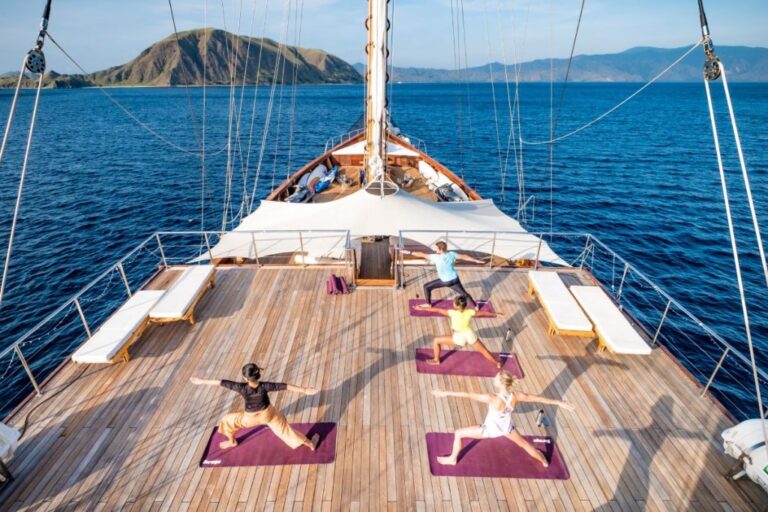
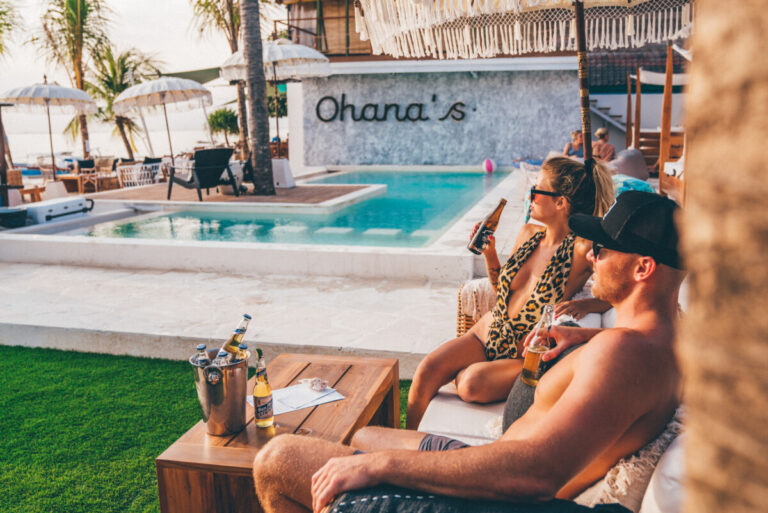
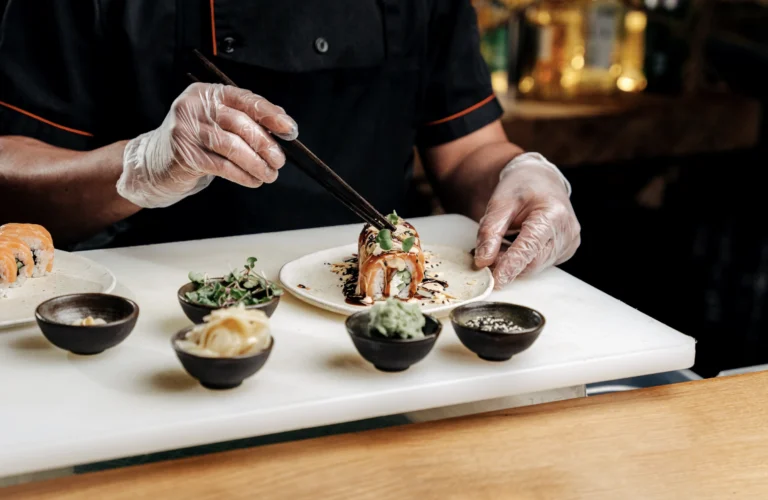
This has led to diversified offerings. Budget-conscious travelers opt for basic boats, while luxury seekers choose vessels with spas, yoga classes, and gourmet dining. Sustainability has risen as a demand, with eco-friendly practices like banning single-use plastics and using biodegradable products on boats like the Tiburon Explorer in the Galapagos. These changes stem from environmental awareness, with divers favoring operators that support conservation, such as rainforest-friendly hull materials in Indonesian phinisi boats.
Modern Luxury Vessels and Future Trends
Today’s diving liveaboards epitomize luxury. Top-rated options like the Scubaspa Yang in the Maldives offer hot tubs, massages, and nitrox fills, blending spa retreats with diving. Vessels such as the Philippine Siren provide dedicated camera labs for photographers. At the same time, the Galaxy Diver II boasts modern interiors and rebreather support. Prices range from $200 per night for budget trips to over $1,000 for ultra-luxury, with small guest capacities ensuring personalized service.
Looking ahead, the industry is poised for further innovation. As of 2025, trends include hybrid-electric propulsion for reduced emissions and AI-assisted dive planning. With climate change impacting reefs, liveaboards are increasingly involved in citizen science, allowing divers to contribute to research. This evolution ensures liveaboard diving remains a dynamic gateway to the ocean’s wonders, balancing adventure with responsibility.
In summary, from Stan Waterman’s pioneering conversion to today’s opulent fleets, diving liveaboards have adapted to technology and diver needs, making remote underwater realms accessible and enjoyable for all.